EICRs, landlord certificates and fixed wire testing
Electrical Testing and Inspection
A periodic inspection tells you the actual condition of an electrical installation,
in writing, against the current standard. Here is what that involves, what the codes
on your report mean, and what the law requires of you.
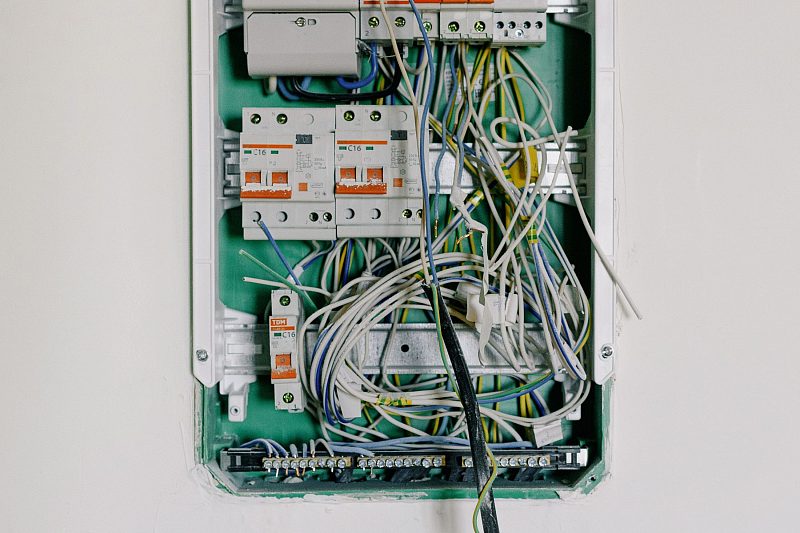
An Electrical Installation Condition Report is an inspection and test of the fixed
wiring in a building: the consumer unit, the circuits, the earthing and bonding,
the accessories. It is carried out to BS 7671, the national wiring standard, and it
produces a document that says whether the installation is satisfactory or
unsatisfactory for continued use.
It is not a survey of your appliances, and it is not an opinion. Every observation
carries a classification code, and the codes decide the outcome. An installation can
look perfectly tidy and still fail, and a scruffy-looking board can pass.
What happens on the day
We start with the paperwork. That means any previous certificates, the age of the
installation and what has been altered. Then a visual inspection: the consumer unit,
accessories, visible cabling, earthing and bonding, and anything obviously damaged
or overloaded.
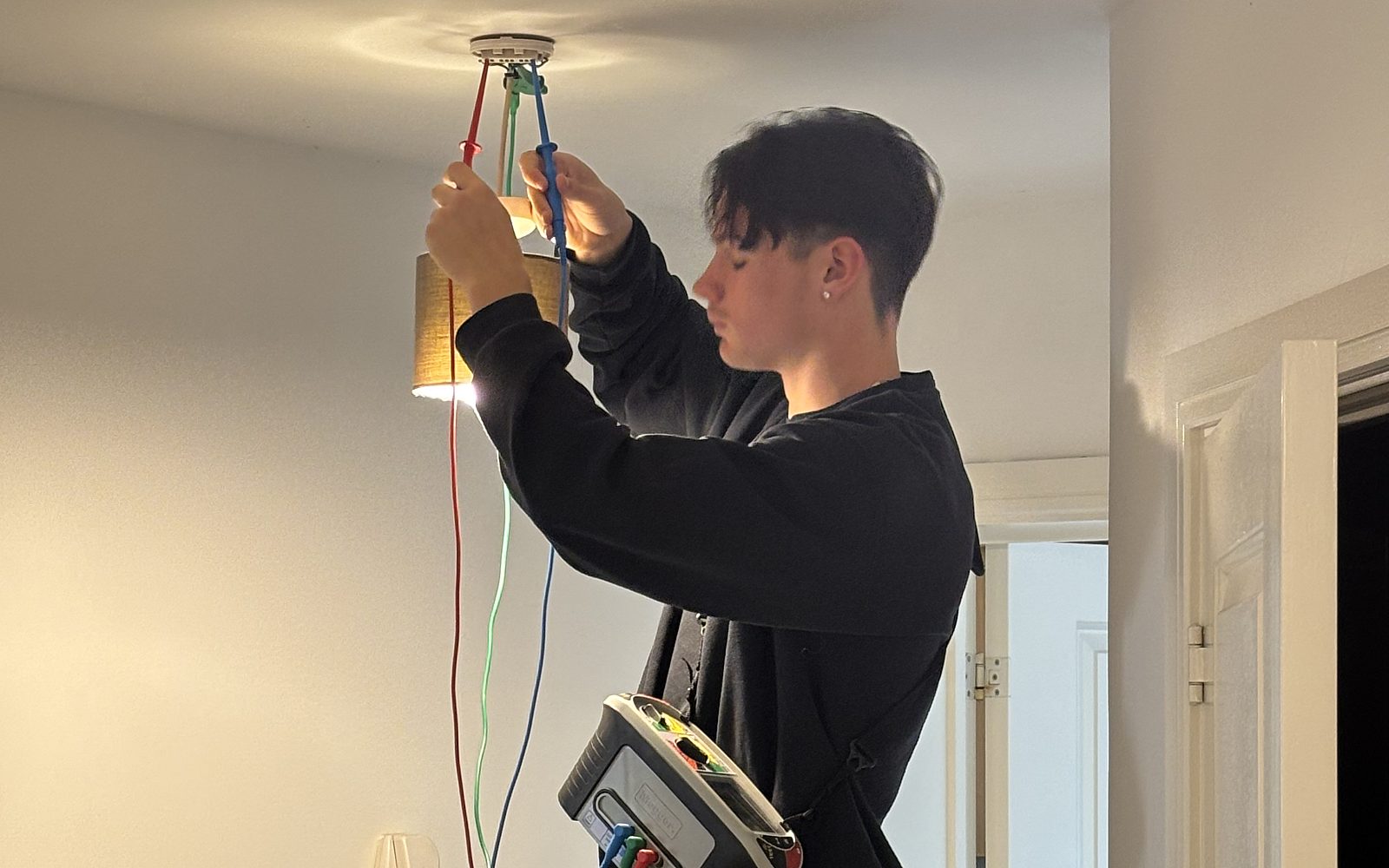
The testing itself splits into two parts. Dead testing requires the supply to be
isolated, and covers continuity of protective conductors, ring final circuit
continuity, insulation resistance and polarity. Live testing follows with the supply
restored, covering earth fault loop impedance, prospective fault current and RCD
operating times.
In a domestic property expect the power off for an hour or two, taken circuit by
circuit where we can. On commercial sites we plan isolations around your operation
and can test in stages across several visits so nothing critical goes down.
You get the report with every observation, its code, and a clear statement of
whether the installation is satisfactory. Where we can correct a C1 or C2 on the
same visit we will, with your agreement, so you leave with a satisfactory report
rather than a list of jobs.
Tested, not guessed
Every circuit tested to BS 7671 with calibrated instruments, and the readings written up.
Coded honestly
C1, C2, C3 and FI applied as the standard defines them, not as a way of selling remedial work.
Staged where needed
Large or busy premises tested across several visits, so nothing goes dark on a trading day.
What decides the size of the job
An EICR is scoped on the size of the installation, essentially the number of
circuits to be tested, so a one-bedroom flat and a five-bedroom house are not the
same job. Tell us the property type and roughly how many circuits are on the board
and we can tell you what is involved.
Reading your report
What C1, C2, C3 and FI mean
These four codes decide whether your report passes or fails. Any C1, C2 or FI makes
the report unsatisfactory. C3 observations on their own do not.
Classification codes used on an Electrical Installation Condition Report,
as defined in BS 7671 and the associated industry guidance.
Code
Meaning
What it looks like
What you must do
C1
Danger present. Risk of injury. Immediate action required.
Exposed live conductors, a broken accessory with live parts accessible, or a conductive part that is live and touchable.
We make it safe before leaving the property and confirm in writing the same day. The report is unsatisfactory until it is corrected.
No earthing to a circuit, missing main protective bonding, an unsatisfactory earth fault loop impedance, or no RCD protection where it is now required.
Must be put right before the report becomes satisfactory. For rented property, within 28 days or sooner if the report specifies.
C3
Improvement recommended. Not a failure.
A plastic consumer unit that is otherwise sound, no RCD on a circuit where the regulations did not require one at the time, or absent circuit labelling.
Nothing is legally required. Worth doing at the next opportunity, and worth understanding before you buy a property.
FI
Further investigation required without delay.
Something the inspection could not resolve, such as a circuit of unknown origin, a concealed junction box, or a reading that does not make sense.
Treated as a failure. The investigation must happen, and the outcome may then be coded C1, C2 or C3.
A note on C3 and consumer units
Some contractors code every plastic consumer unit as C2 and quote for a replacement.
Unless there is an actual defect, a plastic board in a domestic property is a C3.
That is an improvement recommendation, not a failure. If a report tells you otherwise,
ask which regulation is being cited, and ring us for a second opinion.
Your obligations
What the law requires
If you rent property out in England
The Electrical Safety Standards in the Private Rented Sector (England) Regulations
2020 apply to almost every private tenancy. You must have a satisfactory EICR at
intervals of no more than five years, give a copy to existing tenants within 28 days
of the inspection, give a copy to new tenants before they occupy, and supply a copy
to the local authority within seven days of a written request.
Where a report identifies C1, C2 or FI items, remedial work must be completed within
28 days, or sooner if the report specifies, and you must obtain written confirmation
it has been done. Local authorities can impose substantial financial penalties for
breaches.
If you employ people or control premises
The Electricity at Work Regulations 1989 require that electrical systems are
constructed and maintained so far as is reasonably practicable to prevent danger.
The Health and Safety at Work etc. Act 1974 sits above it, placing a general duty
on employers.
Neither names a fixed testing interval. What they require is that you can
demonstrate the system is maintained. In practice that means periodic inspection,
records of it, and evidence that you acted on the findings. BS 7671 guidance
suggests five years for most commercial premises, three for industrial, and twelve
months for higher risk environments.
PAT testing
In-service inspection and testing of portable appliances, to the IET Code of
Practice. Asset-tagged, logged and reported, with a register you can hand to an
insurer or auditor.
Emergency lighting
Monthly function tests and an annual three-hour duration test to BS 5266, with
certification and log book entries. We can run this as part of a maintenance
contract or as a standalone visit.
Smoke and heat alarms
Mains-wired interlinked smoke and heat alarms tested and reported alongside an EICR.
A common requirement on rented property and one of the items most often raised on an
inspection report.
Electrical emergency? Call-out including evenings and weekends
Covering London and Surrey, on site as quickly as we can.
You will speak to an electrician, not a call centre.
A shower isolator switch replaced, and two wall sockets that had worked loose refixed properly at the same visit rather than left for another day.
Read the full project
Common questions
Questions we are asked most often
What is an EICR?
An Electrical Installation Condition Report is a formal inspection and test of a fixed electrical installation, carried out to BS 7671. It records the condition of the wiring, consumer unit, earthing and bonding against the current standard, lists any defects with a classification code, and states whether the installation is satisfactory or unsatisfactory for continued use.
How long is an EICR valid for?
For a rented home in England the maximum is five years, or sooner if the inspecting electrician recommends it, and the report itself states the recommended next inspection date. Owner-occupied homes are advised to test every ten years, or on change of occupancy. Commercial intervals vary from one to five years depending on the environment.
What do C1, C2, C3 and FI mean on my report?
C1 means danger is present and there is a risk of injury, requiring immediate action. C2 means potentially dangerous and requires urgent remedial action. C3 means improvement is recommended but is not a failure. FI means further investigation is required. A report is unsatisfactory if it contains any C1, C2 or FI. C3 observations on their own do not fail a report.
Do landlords legally need an EICR?
Yes, in England. The Electrical Safety Standards in the Private Rented Sector (England) Regulations 2020 require a satisfactory report at intervals of no more than five years, a copy to tenants within 28 days, a copy to new tenants before occupation, and a copy to the local authority within seven days of a written request. Remedial work on C1, C2 or FI items must be completed within 28 days, or sooner if the report specifies, and local authorities can impose substantial financial penalties for breaches.
Will the power be off during the test?
Partly. Dead testing requires the installation to be isolated, so expect the supply off for a while in a domestic property, taken circuit by circuit where possible. On commercial premises isolations are planned around your operation, and testing can be done in stages across more than one visit so nothing critical goes down at a bad moment.
I am buying a house. Should I get an EICR?
It is usually worth it, particularly on an older property or one that has been extended, converted or worked on by an unknown contractor. A survey will note the age of the installation but will not test it. An EICR tells you the actual condition, which is a far better basis for a decision than the age of the fuse box.
Domestic EICRs are usually completed in a single visit, with minor remedial work done on the spot where we can. Larger installations are tested in stages so nothing critical goes down.
We use essential cookies to make the site work and to keep the enquiry form secure.
With your permission we would also like to use Google Analytics to understand which
pages are useful. Nothing is loaded until you choose.