Shops and small business premises
Electrical work for shops, salons, cafes, studios and small offices. Additional power, lighting, repairs and testing, arranged around opening hours where a shutdown would cost you trade.
For small businesses, landlords and letting agents
Electrical work for shops, small offices and rented property across London and Surrey. Booked around your trading hours or your tenants, and handed over with the certificates your insurer, your agent or the council will ask for.
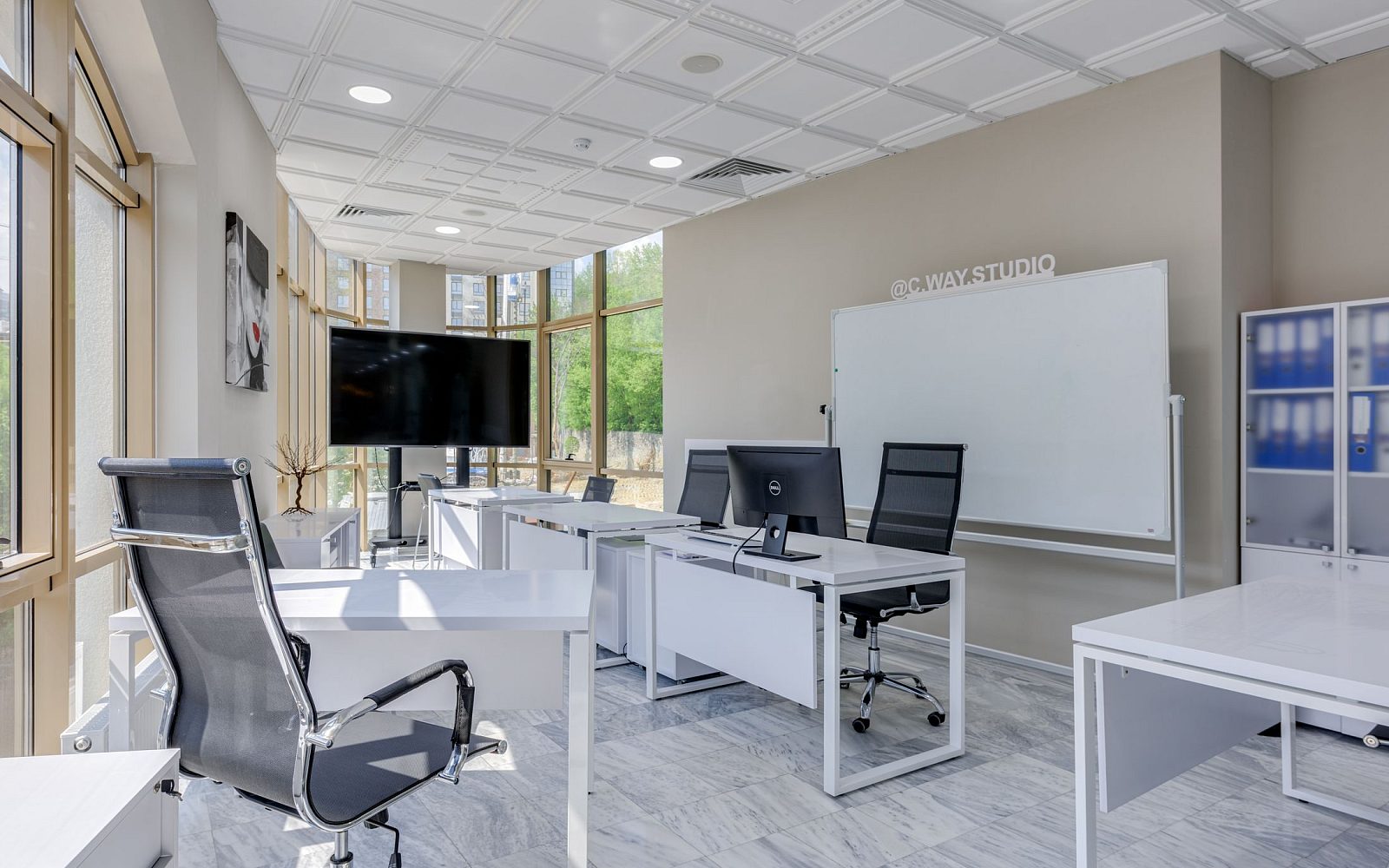
The electrical work itself is rarely the hard part of a commercial job. The hard part is doing it in premises that are trading, tenanted or occupied, without shutting down the thing that earns the money or leaving a tenant without power.
We work across London and Surrey on shops, cafes, salons, small offices, studios, workshops and rented houses and flats. That means early starts and evening work where a closed shop costs you more than the labour does, and appointments arranged directly with tenants so the visit happens on the first attempt rather than the third.
Usually the business owner or the landlord directly. Often a letting or managing agent looking after a portfolio, occasionally a builder who needs an electrician on a small refurbishment. You get one number and the same electrician, so nothing has to be explained twice.
If you employ people or control premises, the Electricity at Work Regulations 1989 require you to maintain electrical systems so far as is reasonably practicable to prevent danger. In practice that means periodic inspection and testing, records that prove it happened, and acting on what the reports say.
Where a building is too large or too busy to isolate in one go, the fixed wiring can be tested in stages across several visits, so you are never faced with an entire premises going dark on a trading day. More on testing and inspection.
Early starts, evenings and quiet days, so a closed shop never costs you more than the labour.
Appointments arranged with the tenant directly, so the visit happens on the first attempt.
Certificates and schedules your insurer, agent or the council will accept without argument.
Retail and hospitality work is routinely done before opening, after closing or on a quiet day of the week. Tell us when the premises can be worked in and we will plan the isolations around it rather than around our own diary.
What we do for businesses
From an extra socket in a shop to an LED lighting upgrade, an EICR programme across a portfolio, or emergency lighting and alarms in rented property.
Electrical work for shops, salons, cafes, studios and small offices. Additional power, lighting, repairs and testing, arranged around opening hours where a shutdown would cost you trade.
Inspection, testing and remedial work for landlords and letting agents across a portfolio or a single flat, with appointments booked directly with tenants so the visit actually happens first time.
Periodic inspection and testing of the fixed wiring in commercial premises, reported with each observation coded so you can see what must be put right and what is only a recommendation.
Emergency lighting to escape routes and open areas, installed, replaced and tested. Commonly raised by a fire risk assessment, and straightforward to put right once the coverage has been worked out properly.
Replacing tired fluorescent and halogen fittings with LED. Lower running cost and better light levels, usually done outside opening hours so the premises are ready to trade the next morning.
Extra sockets, dedicated supplies for equipment, and power to new counters, displays or workstations, with the existing board checked for spare capacity before anything is added to it.
Tracing faults on commercial installations that have grown over years of alterations, where the circuit that trips is rarely the circuit at fault and the board labelling no longer reflects reality.
Mains-wired interlinked alarm systems for HMOs, flats above shops and small commercial premises, installed and tested to suit the property and its use.
Extractor fans and ventilation for kitchens, washrooms and treatment rooms, wired on the correct circuit with the run-on and interlock arrangement the room actually needs.
Sectors
Each of these brings its own constraints: trading hours, food safety, licensing, tenant notice periods. Knowing about them before we arrive is what keeps a job to one visit instead of two.
Planned maintenance
The same electrician every visit, someone who already knows where the board is and what was done last time. Problems found on a booked visit rather than at four o'clock on a Friday.
No call centre. You speak to the person who will be doing the work.
Certificates, test results and reports kept on file and reissued on request.
Covering London and Surrey, on site as quickly as we can. You will speak to an electrician, not a call centre.
Common questions
The maximum period recommended by BS 7671 is five years for most commercial premises, three years for industrial units and twelve months for higher risk environments such as swimming pools and temporary installations. Your insurer may impose shorter intervals, and the inspecting electrician can recommend a shorter period based on what they find.
Yes, and on shops, salons and cafes we usually do. Evening and early morning work avoids closing during trading, and lighting upgrades in particular are far easier with the premises empty. Tell us your opening hours when you enquire and the visit will be planned around them.
The duty holder, which in practice means the employer or whoever controls the premises. The Electricity at Work Regulations 1989 require electrical systems to be maintained so far as is reasonably practicable to prevent danger, with the Health and Safety at Work etc. Act 1974 above it. Regular inspection and testing is how a duty holder demonstrates that duty has been met.
Regularly. EICRs and remedial work on rented flats and houses, HMO alarm systems, and the certificates agents need for their files. Appointments are booked directly with tenants wherever possible, which is the single biggest factor in a visit going ahead as planned.
Yes. Emergency lighting to escape routes and open areas can be installed, replaced and tested. It is one of the items most often raised by a fire risk assessment, and it is straightforward to put right once the coverage the premises actually needs has been worked out.
Commercial enquiries
The more we know at this stage the more useful our first reply will be. Type of premises, roughly how big, how many properties, whether it is a one-off job or something ongoing, and any dates you are working to.
We will come back to you as soon as we can.
Commercial and landlord work is carried out and certified under our NICEIC Approved Contractor registration.
Get in touch
Whether it is one fuse board in a shop or EICRs across a portfolio of rented flats, we will come and look at it and be straight with you about what it involves.